
Comparative
Somatic
Evolutionary
Genomics
Our research takes us across the diversity of life, working with a global network of collaborators to study somatic evolution in a remarkable range of species.
We combine histology and microscopy with techniques such as laser capture microdissection and cell sorting to isolate specific cells and tissue structures. Using ultra-accurate genome sequencing, we can detect the mutations they carry and reconstruct their evolutionary histories.
By comparing mutation rates, mutational processes and clonal expansions across tissues, ages and species, we seek to uncover the fundamental forces shaping evolution within our bodies, and their consequences for health, ageing and disease.

Publications
Cagan (2026) ‘How somatic evolution affects health’ Nature Ecology & Evolution (2026)
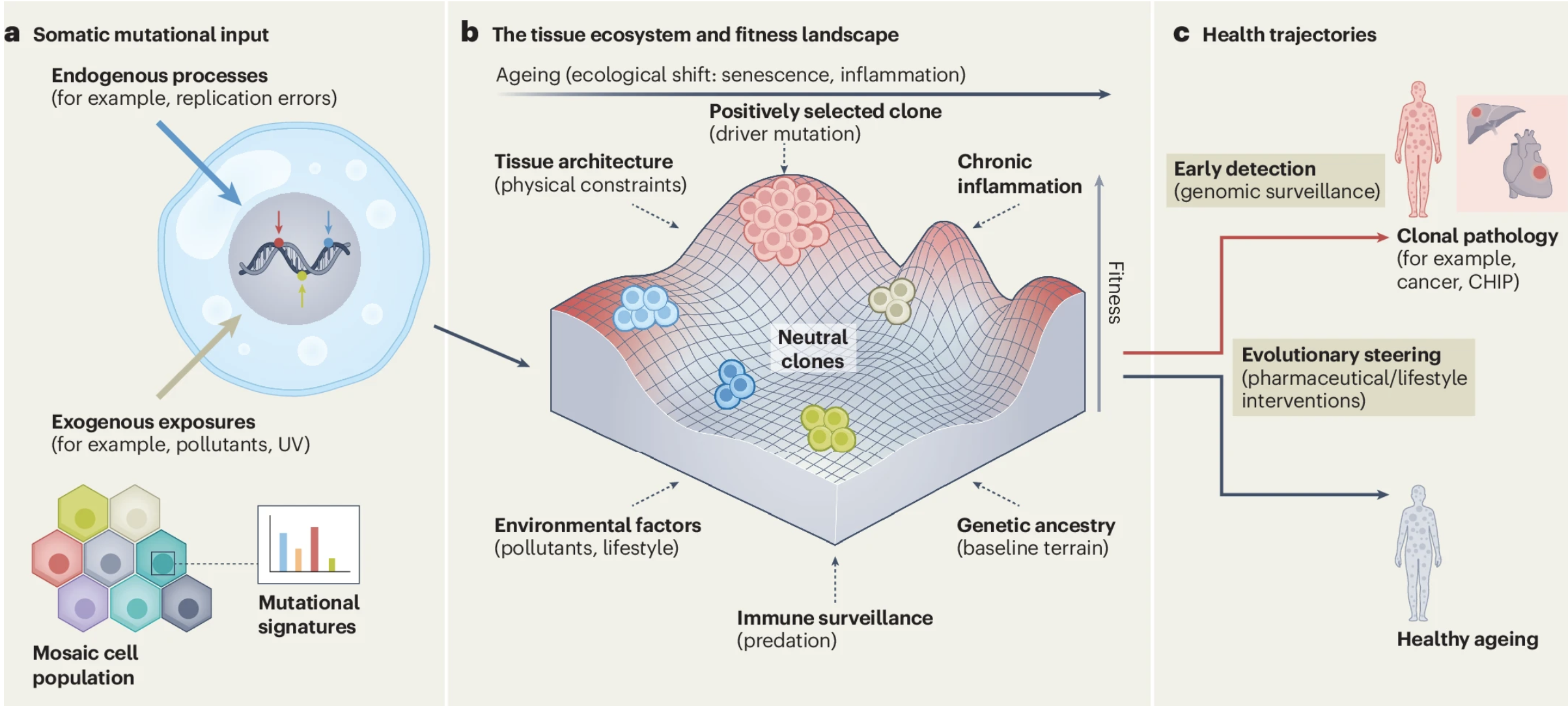
Advances in ultra-accurate genome sequencing are revealing our tissues as dynamic ecosystems, where mutant cells compete and evolve throughout life. In this perspective, we explore how somatic evolution influences health far beyond cancer, contributing to ageing, chronic inflammation and other diseases. We discuss how genetics, tissue architecture and environmental exposures shape the evolutionary fate of cells, and argue that integrating genomic technologies with ecological and evolutionary theory could transform our understanding of disease. Ultimately, understanding and predicting these hidden evolutionary processes may open new opportunities for early detection, prevention and healthier ageing.
Cagan et al, ‘Somatic mutation rates scale with lifespan across mammals’ Nature (2022)
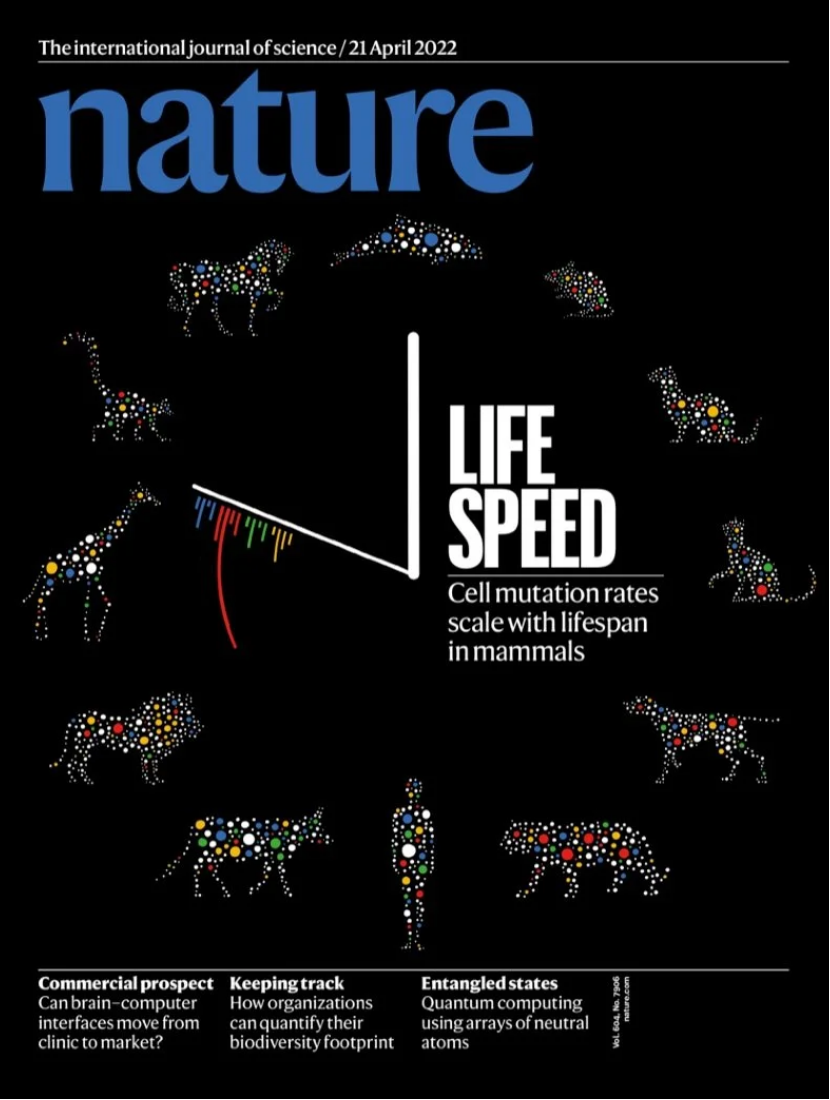
We developed a pipeline integrating histology, laser capture microscopy and low-input genome sequencing to compare somatic mutational processes in 208 intestinal crypts from 56 individuals in 16 mammalian species with diverse lifespans and body-sizes. Somatic mutations were dominated by endogenous processes common across species. Strikingly, a strong inverse relationship between somatic mutation rates and lifespan suggests that somatic mutation rates are evolutionarily constrained, partially explain variation in cancer risk across species, and may play a role in ageing.
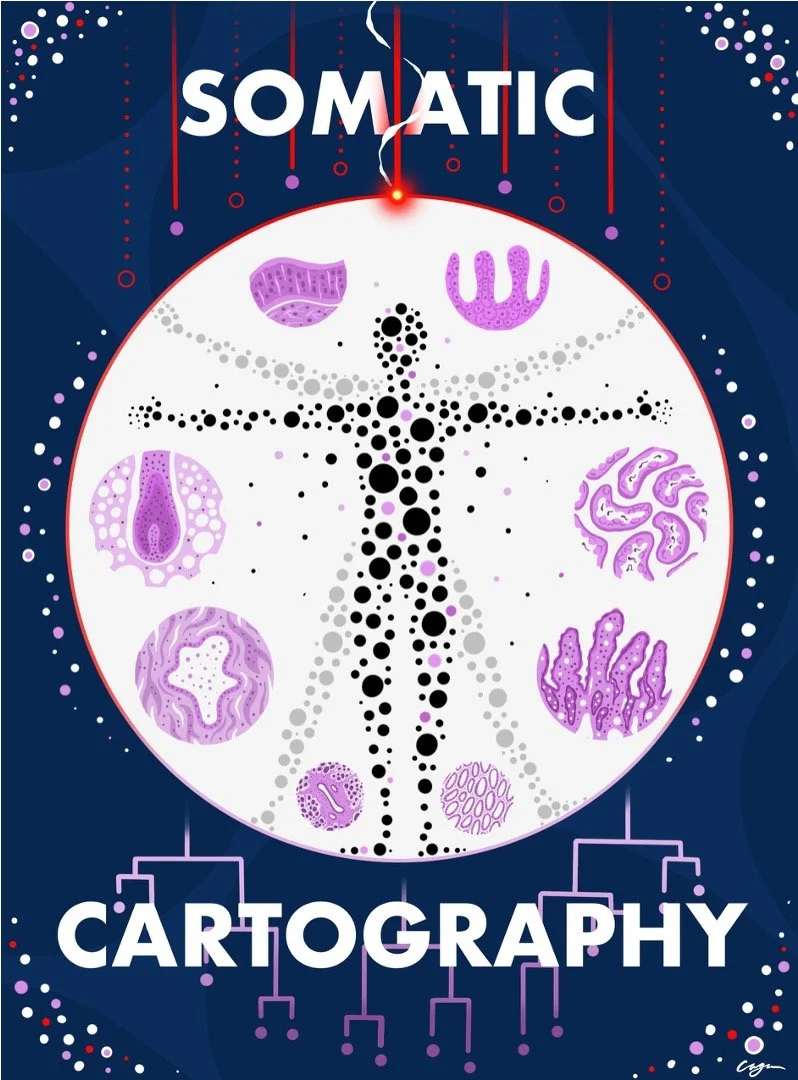
This study compared the mutational landscape in 29 cell types across the human body, including direct quantification of paternal de novo mutation rates from spermatogonial stem cells. Two ubiquitous mutational signatures accounted for the majority of acquired mutations in most cell types, though their absolute and relative contributions varied substantially. Fascinatingly, spermatogonia, the cells responsible for most genetic variation in human populations, exhibited the lowest mutation rates, implying that germ cells possess superior mechanisms of genomic maintenance compared to their somatic counterparts.